About / Currently playing
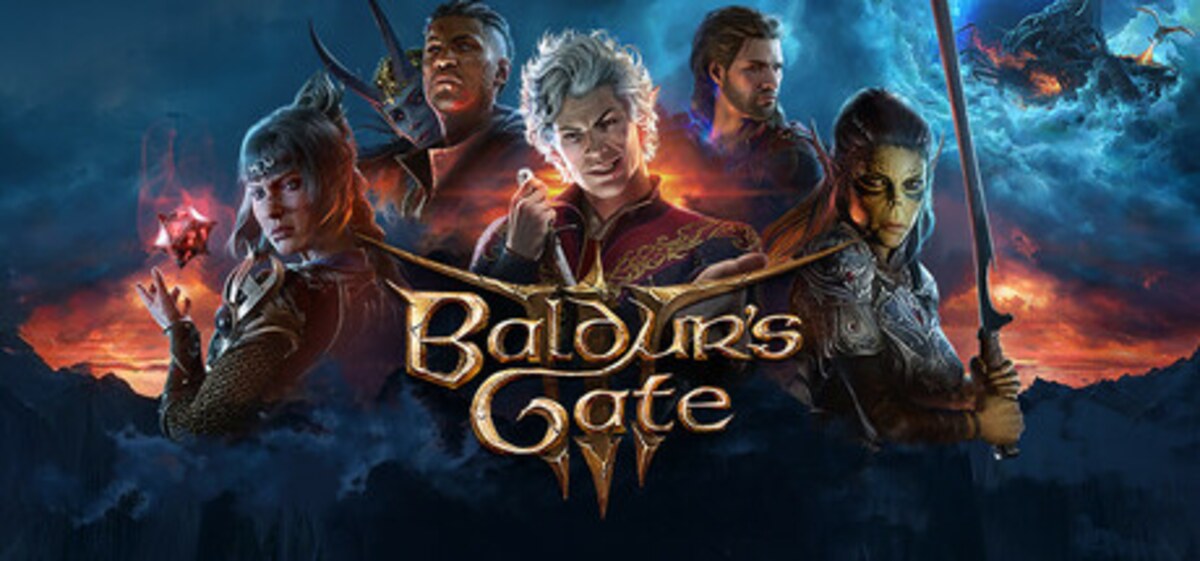
Baldur's Gate 3
Developer
Larian Studios
Genre
Tactical RPG (D&D 5e)
Release
2023
Platforms
PC, Mac, PS5, Xbox
About / Currently playing
Baldur's Gate 3 adapts Dungeons & Dragons 5e rules into a turn-based tactical RPG of unusual scale. It's also, in my view, one of the best recent examples of mechanics and narrative feeding into each other rather than just sitting side by side.
The combat system carries over D&D 5e's rules almost untouched: advantage/disadvantage based on position or target state, visible saving throws, bonus actions kept separate from main actions. But what really makes the difference is how the environment interacts with all of it: height gives ranged attacks a precision bonus, you can shove an enemy off a ledge or into fire, an oil puddle set alight creates a persistent damage zone, water spreads electricity across an entire area. These interactions aren't scripted set pieces for a handful of fights, they work everywhere, all the time, which pushes the player to read every battlefield as a puzzle of available resources rather than just a grid of enemies to knock down.
The game's reactivity goes well beyond combat: a locked chest can be picked, smashed open by force, bypassed through stealth, or stolen from its owner via a pickpocket minigame that works on any item-carrying NPC. This deliberate redundancy of solutions, there's almost always at least three ways to solve a problem, is what gives the game its sense of freedom, far more than the size of its map does.
Another notable choice: dice rolls tied to dialogue checks are shown on screen with their raw result, rather than hidden behind a simple pass/fail. The player sees they rolled a 3 on a Persuasion check and immediately understands why the scene is about to go sideways. This turns failure into a source of story rather than a plain penalty: a botched roll often becomes the most memorable moment of a quest, something Larian fully commits to by writing failure reactions that are just as developed as success ones.
The game's real narrative engine is its companions: each carries a dense personal arc, often tied to the group's shared moral stakes (the mind parasite, the gods watching from above, possible betrayals), and a hidden approval system (no visible meter on screen) shifts based on dozens of small decisions made along the way. The choice never to display that counter is deliberate: other RPGs with a visible approval bar (like the Dragon Age series) quickly turn companions into resources to optimize. By hiding it, Larian pushes the player to act out of roleplay conviction rather than to move a number up.
Camp, where the party regroups between days, acts as a dedicated narrative delivery point: certain companion scenes only unlock once a given approval threshold is crossed, directly linking decisions made out in the field (in a fight, a conversation, a moral choice) to the personal content unlocked afterward. The story advances just as much outside combat as within it.
The story's throughline, a mind parasite threatening to turn the player into a monster, is also a gameplay mechanic: as the story progresses, the player can choose to use the powers that same parasite offers, gaining strength at the cost of a gradual transformation. The mechanical temptation (stronger spells) and the narrative temptation (accepting what the enemy is offering you) are exactly the same decision, posed at exactly the same moment, which is a rare fusion of ruleset and fictional stakes.