About / Currently playing
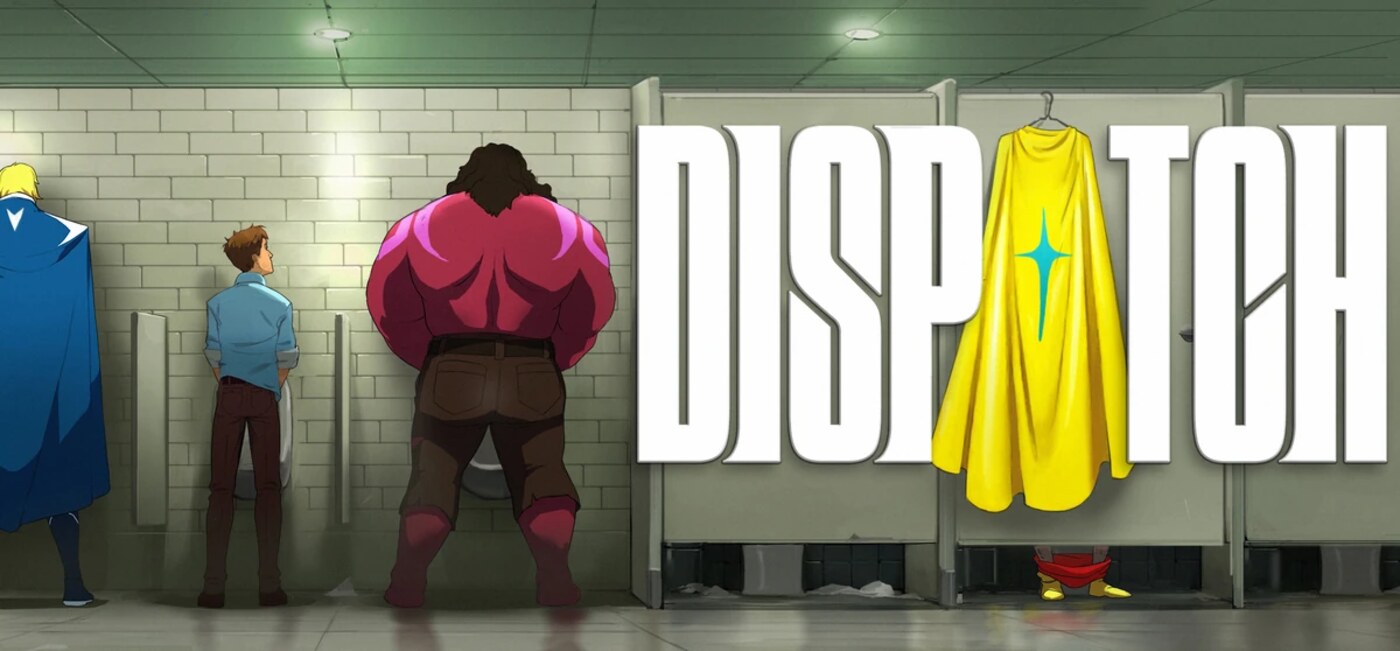
Dispatch
Developer
AdHoc Studio
Genre
Narrative adventure / management
Release
2025
Platforms
PC, PS5, Switch, Xbox
About / Currently playing
Dispatch, the debut title from AdHoc Studio (founded by Telltale alumni, in collaboration with Critical Role), follows Robert Robertson III, aka Mecha Man, who loses his superhero suit and ends up managing a team of rehabilitated supervillains from behind a desk. It's a workplace comedy disguised as a superhero story.
The dispatch segments play out on a map of Los Angeles where each incident shows up as an icon with a type and severity level. You drag a team member onto it, their stats (strength, stealth, resilience...) more or less suited to the situation, then watch a resolution meter tick in real time while other incidents keep popping up elsewhere on the map. Alongside that, certain missions drop into short hacking minigames to defuse a threat or unlock access to something.
What sets this system apart is the lack of a real game-over state: a bad assignment doesn't fail the mission, it changes the next scene. A poorly matched hero comes back hurt, a civilian isn't rescued in time, a relationship between two teammates gets strained. Gameplay is never scored, it's judged by the narrative consequences it triggers, which sidesteps the usual problem in narrative games where the "playable" part and the "story" part feel like two different experiences bolted together.
The episodic format mirrors that same logic: each episode opens on a dispatch scene that sets the day's stakes, moves into character scenes, then closes on a tenser wave of incidents, not unlike a sitcom's cold open / character beats / act break structure, married to a Telltale-style choice system. The fact that dispatch segments run in real time, with no pause to think things over, creates an urgency that echoes the narrative urgency of the decisions made right before.
Every member of the Z-Team has a personal redemption arc that progresses through the dispatch missions themselves, not just in dedicated cutscenes: how you assign them, whether they succeed or fail, directly feeds their trajectory. It's a way of carrying character development through gameplay rather than through isolated scenes that interrupt it.
The game also fills the downtime of dispatch with banter, heroes commenting on each other while they're "in the field," turning what's usually a silent wait (watching a meter fill up) into a vector for characterization. It's close to the environmental barks used in other genres: building a character through what they say in the background, without dedicating a whole scene to them.
Thematically, the game takes a former field hero and puts him behind a command desk, which literally turns the narrative theme of "learning to delegate and trust others" into a concrete gameplay mechanic: assigning the right people to the right task. The subtext is never spelled out, it's simply what the player does at every dispatch screen.